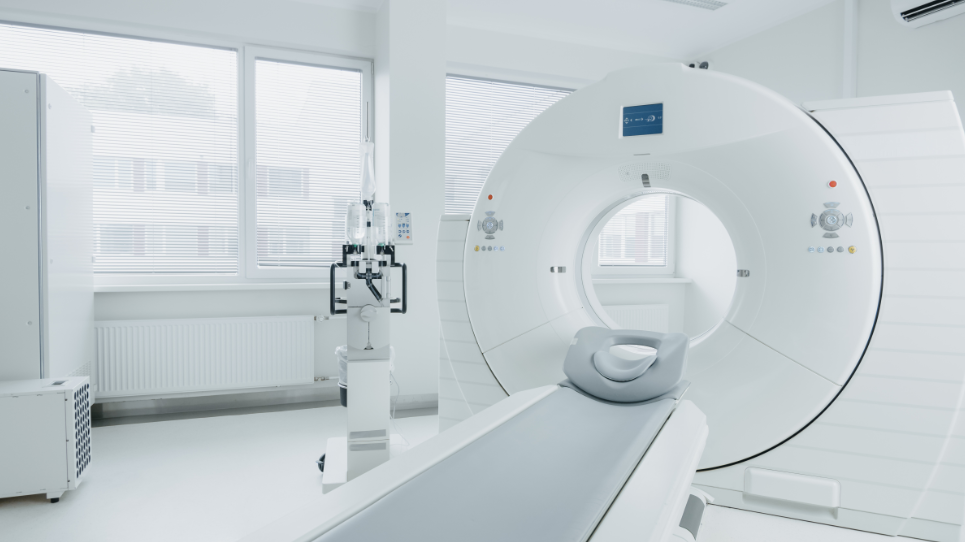
Modern imaging technologies have significantly transformed industries such as healthcare, security, and industrial inspection. Among these advancements, X-ray systems stand out as critical tools for precision diagnostics and analysis. Their effectiveness relies heavily on the stability and efficiency of the power systems that drive them.
In this evolving landscape, high-voltage X-ray generators play a crucial role in delivering consistent energy output, enabling accurate imaging and enhanced operational performance. These systems are designed to ensure reliability, safety, and precision, making them indispensable in high-demand environments where imaging accuracy is essential.
Advancing Imaging Accuracy With Controlled Energy Systems
Efficient energy control is the backbone of high-performance X-ray imaging systems. A stable voltage supply ensures that imaging outputs remain consistent and reliable across different applications.
With advanced system integration, imaging solutions now achieve higher precision while maintaining operational safety. These improvements contribute to better diagnostics, reduced errors, and enhanced overall imaging quality across industries.
1. Precision Voltage Regulation
Accurate voltage control ensures consistent X-ray output, which is essential for producing high-quality images. Stable energy levels help reduce distortions and inconsistencies, allowing imaging systems to capture fine details with clarity and reliability across multiple operational conditions.
2. Enhanced Image Resolution
Improved energy delivery directly influences image sharpness and contrast. Advanced systems ensure that imaging outputs maintain high resolution, supporting detailed analysis in both medical diagnostics and industrial inspections.
3. Reduced Signal Noise
Efficient energy systems minimize electrical noise that can interfere with imaging results. Lower noise levels contribute to clearer images and more accurate interpretations, improving overall system performance.
4. Consistent Performance Stability
Reliable voltage systems ensure uninterrupted operation, even during extended usage. This stability supports continuous workflows and minimizes downtime, especially in critical environments.
5. Optimized Energy Efficiency
Modern systems are designed to maximize output while minimizing energy consumption. This balance improves operational efficiency and reduces long-term costs.
Enhancing Performance With High Voltage X-Ray Generators Integration
The integration of advanced energy systems within imaging technology has significantly improved performance standards across multiple industries. Precision, stability, and efficiency are now essential factors in delivering accurate imaging results for critical applications.
The growing adoption of high-voltage X-ray generators ensures precise energy delivery, allowing X-ray outputs to meet exact operational requirements. By combining advanced engineering with intelligent controls, these systems enhance imaging capabilities, improve safety, and provide greater reliability in demanding, high-performance environments.
1. Reliable Power Output Delivery
High-voltage generators ensure consistent power output, enabling imaging systems to function efficiently without fluctuations. This reliability is crucial for maintaining image quality and system stability.
2. Improved System Compatibility
Modern generators are designed to integrate seamlessly with various imaging systems, supporting flexible applications across multiple industries.
3. Enhanced Safety Mechanisms
Built-in safety features protect both equipment and operators by regulating voltage levels and preventing overload conditions.
4. Scalability for Diverse Applications
These systems can be adapted to meet different operational requirements, from medical imaging to industrial testing, ensuring versatility.
5. Reduced Maintenance Requirements
Advanced designs minimize wear and tear, reducing the need for frequent maintenance and ensuring long-term reliability.
See also: How Blockchain Technology Prevents Fraud
Strengthening Operational Reliability Through Advanced Design
Advanced engineering has significantly strengthened the reliability of modern X-ray systems, ensuring consistent performance across demanding environments. Robust component architecture using high-quality materials supports long-term durability, even under intensive usage conditions. Efficient thermal management systems prevent overheating by maintaining optimal operating temperatures, protecting sensitive internal components. Intelligent monitoring systems further enhance reliability by providing real-time diagnostics, enabling early detection of potential issues and reducing unexpected failures. Seamless system integration allows smooth coordination with other technologies, improving operational efficiency. Together, these advancements ensure enhanced consistency, reduced downtime, and dependable imaging performance for critical, high-demand applications.
Optimizing Workflow Efficiency With Smart Imaging Systems
Smart technologies have enhanced the efficiency of X-ray imaging systems. Automation and intelligent controls streamline operations, reducing manual intervention and improving productivity.
These systems support faster processing, better accuracy, and improved user experience, making them essential for modern imaging environments.
1. Automated System Controls
Automation reduces manual adjustments, ensuring consistent performance and minimizing human error during operation.
2. Faster Image Processing
Advanced systems enable quick image capture and processing, improving workflow efficiency and reducing waiting times.
3. User-Friendly Interfaces
Intuitive controls simplify system operation, allowing users to manage complex functions with ease.
4. Integrated Data Management
Efficient data-handling systems support the storage, retrieval, and analysis of imaging results.
5. Improved Operational Productivity
Streamlined processes enhance overall productivity, enabling faster decision-making and better outcomes.
Expanding Application Scope Across Industries
High-voltage X-ray systems have expanded their application scope across multiple industries, highlighting their versatility and precision. In healthcare, they play a critical role in medical diagnostics by providing detailed images of internal structures for accurate treatment planning. In industrial settings, these systems help detect structural flaws and maintain product quality. They are also widely used in security screening to scan luggage and identify potential threats. In research and development, advanced imaging supports detailed analysis and experimentation. Additionally, aerospace and engineering sectors rely on precision imaging to ensure structural integrity, safety, and reliable performance in critical applications.
Driving Future Innovation in High-Voltage Imaging Technology
The future of X-ray technology is shaped by continuous innovation in power systems and imaging capabilities. Emerging advancements aim to improve efficiency, accuracy, and sustainability.
These developments ensure that imaging systems remain relevant and capable of meeting evolving industry demands.
1. Integration of AI Technologies
Artificial intelligence enhances imaging accuracy by analyzing data and identifying patterns.
2. Development of Compact Systems
Smaller and more efficient systems improve portability and accessibility.
3. Focus on Energy Sustainability
Innovations aim to reduce energy consumption while maintaining performance standards.
4. Enhanced Digital Connectivity
Connected systems enable remote monitoring and improved data sharing.
5. Continuous Technological Advancements
Ongoing research ensures that imaging systems evolve with changing industry needs.
Conclusion
High-voltage X-ray systems have become essential for achieving precision, reliability, and efficiency in modern imaging applications. From energy control to advanced imaging capabilities, these systems support critical operations across various industries. Their ability to deliver consistent performance ensures accurate results and improved operational outcomes.
As advancements continue, High Voltage Power Supplies remain at the core of innovation in imaging technology. Companies like VJ X-Ray are contributing to this progress by providing advanced solutions that enhance system performance, reliability, and efficiency. With a strong focus on innovation and quality, they continue to support the evolution of high-voltage imaging technologies across global industries.


 By
By