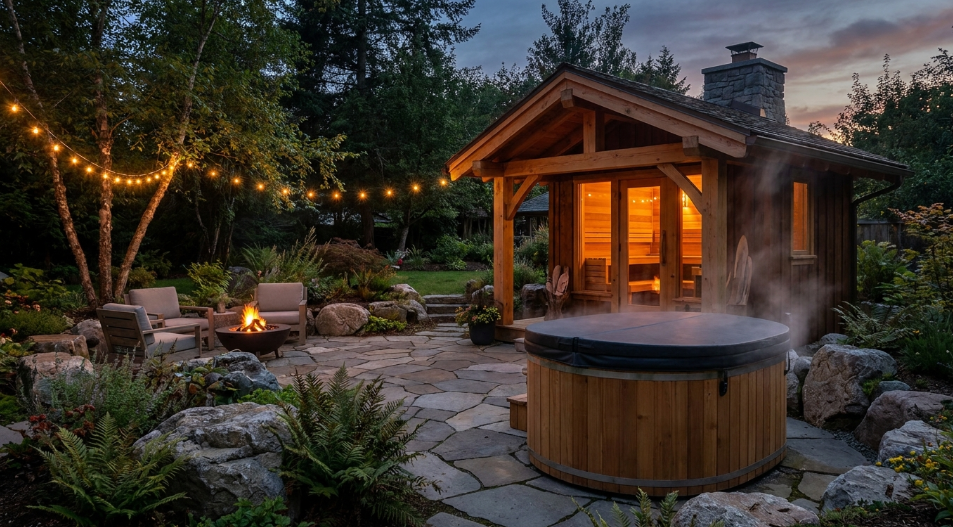
For a fully exposed backyard installation, traditional electric or wood-fired heaters generally hold up better to weather over time than infrared panels, which were more often engineered for indoor or covered use. Infrared cabins still work outdoors and run cooler, 120 to 150 degrees versus 170 to 195 for traditional, but buyers should confirm a model is specifically rated for full outdoor exposure rather than assuming any infrared unit qualifies. The right choice comes down to how exposed the site is, how cold winters get, and whether the published research on heat exposure matters to your decision.
Is infrared or traditional heat better suited to full outdoor exposure?
Traditional heaters are built around a metal heating element and rock bed, components with decades of outdoor use behind them in Finnish-style cabins exposed to genuine weather. Infrared technology is newer to residential saunas generally, and while outdoor-rated infrared panels do exist, a meaningful share of infrared units on the market were designed with an indoor mudroom or garage bay in mind, with housing and wiring specs to match. Before buying infrared for a backyard install, checking that the specific model carries an outdoor exposure rating is worth the extra five minutes, since not every infrared cabin on a general marketplace listing was engineered for direct rain and snow contact.
Which type loses less heat to outdoor wind?
A traditional cabin heats the air inside it, so a stiff wind pulling heat through an imperfect seal is a problem the heater can partly compensate for by simply running longer to hold temperature. Infrared warms your body directly through unobstructed panels, which means a cold draft moving across the cabin interior interferes with that heat transfer more noticeably, since the panels are not trying to raise ambient air temperature in the first place. In a consistently windy yard, that difference can translate into infrared sessions feeling less consistent session to session than a traditional cabin delivers.
Does an outdoor cabin need different electrical work for each type?
Traditional electric heaters above roughly 6 kilowatts need a dedicated 240-volt circuit run to the yard, typically in weatherproof buried conduit with GFCI protection at the disconnect. Infrared units draw far less power, often 1.5 to 2 kilowatts, and can frequently run on a standard 120-volt outdoor-rated outlet, which simplifies the electrical side of an outdoor install considerably. This is one of the clearer practical advantages infrared holds outdoors: a shorter, cheaper electrical job, even if the cabin itself needs more scrutiny for weather rating.
Can you get a wood-fired outdoor sauna as an alternative to electric?
Yes, and this option exists almost exclusively for outdoor installs, since a wood-fired heater needs a flue routed safely through a roof along with combustion clearances that are impractical inside a house. For buyers drawn to the ritual of tending a fire rather than flipping a switch, wood-fired traditional heat is a real category with its own following, though it demands more attendance during a session and a wood supply to maintain. Infrared has no wood-fired equivalent; that branch of the comparison only exists on the traditional side.
Which is easier to find genuinely built for full outdoor exposure?
Traditional barrel and cabin saunas dominate the outdoor-specific product category, largely because the format originated as an outdoor building type in Finland long before infrared technology existed. Outdoor-rated infrared is a smaller, growing segment rather than the default. If infrared’s lower running cost and gentler heat still appeal to you, narrowing a search specifically to models marketed for outdoor use, rather than general infrared cabins, avoids ending up with a unit whose housing was never meant to sit through a winter. You can compare which current listings are built and rated specifically for full outdoor exposure at https://sweatdecks.com before ruling either style out based on price alone.
Does the published sauna research favor one type for outdoor use?
The evidence tying regular sauna use to cardiovascular associations is drawn almost entirely from traditional, higher-temperature Finnish-style bathing, the exact format most outdoor cabins were originally built around. Infrared still produces a real physiological response, elevated core temperature and heart rate, through direct radiant heat rather than heated air, but it has not been studied nearly as extensively in that specific research base. That does not mean infrared offers nothing; it means anyone specifically chasing the studied cardiovascular associations is on firmer ground choosing the format those studies were actually built on.
How does upkeep compare once winter actually arrives?
A traditional heater’s rock bed and metal housing tolerate freeze-thaw cycling well, and the biggest winter task is usually just clearing snow off the roof and checking the door seal before cold weather settles in. Infrared panels, particularly the wiring and control components behind them, are more sensitive to repeated temperature swings between a hot session and a freezing night, which is part of why outdoor-rated models specify tighter installation and sealing requirements than their indoor counterparts. Owners in genuinely cold climates who choose infrared for its lower running cost should expect to pay closer attention to weatherproofing details, door seals, panel housing gaskets, vent covers, than an equivalent traditional cabin owner typically needs to.
Does one style suit a household that uses the sauna daily better than the other?
For daily or near-daily use, the heat-up time difference between the two starts to matter in a way it might not for occasional use. Traditional cabins generally need 15 to 30 minutes to reach full temperature, while infrared units are often ready in 10 to 15, which adds up over a year of regular sessions squeezed around a work schedule. Traditional heat still wins out for households specifically chasing the studied cardiovascular exposure at higher temperatures, while infrared’s faster readiness and gentler heat suit a household prioritizing convenience and consistency of use over replicating a specific research protocol. Either can become a daily habit; the format that gets used consistently is usually the one that fit the household’s actual schedule and weather tolerance from the start, not the one with the more impressive spec sheet.
Frequently Asked Questions
Do infrared panels hold up to full outdoor weather exposure? Outdoor-rated infrared exists, but much of the market was built for indoor or covered use. Traditional metal-clad heaters have a longer outdoor track record.
Which type loses less heat to outdoor wind? Traditional cabins compensate for drafts by running the heater longer to hold air temperature. Infrared relies on unobstructed panels, so drafts interfere more.
Can you get a wood-fired outdoor sauna as an alternative to electric? Yes, wood-fired heaters are mainly an outdoor option, since the flue and clearances are impractical indoors. Infrared has no equivalent.
Does the sauna research favor traditional or infrared for outdoor use? The cardiovascular research is built almost entirely on traditional Finnish-style bathing. Infrared works through a different mechanism and has been studied far less.
References
- Cardiovascular and Other Health Benefits of Sauna Bathing: A Review of the Evidence, Mayo Clinic Proceedings, 2018
- Clinical Effects of Regular Dry Sauna Bathing: A Systematic Review, Evidence-Based Complementary and Alternative Medicine, 2018
- Effects of heat and cold on health, with special reference to Finnish sauna bathing, American Journal of Physiology, 2018